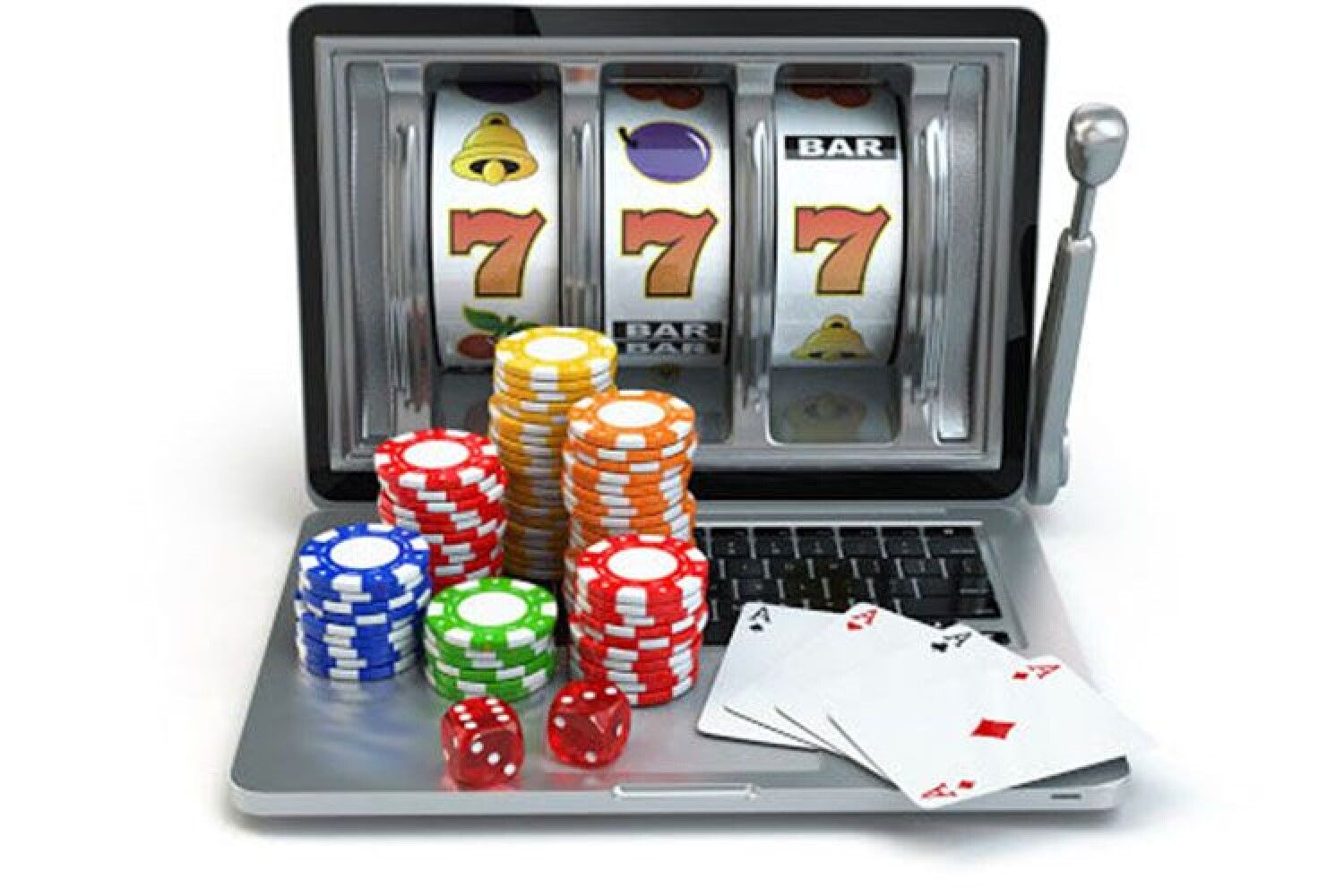
Tendências atuais dos casinos online que você precisa conhecer
Inovações Tecnológicas nos Casinos Online
Os casinos online estão se transformando rapidamente, impulsionados pela tecnologia. A realidade virtual (RV) e a realidade aumentada (RA) são algumas das principais inovações que estão criando experiências imersivas para os jogadores. Com esses avanços, é possível que os jogadores sintam que estão realmente dentro de um casino físico, interagindo com os dealers e outros jogadores de maneira mais realista. Experimente a emoção de grandes prêmios ao jogar Ice Fishing da Evolution, que combina várias dessas tendências em uma única experiência.

Além disso, a utilização de inteligência artificial tem permitido que os casinos personalizem a experiência do usuário. Através de algoritmos, é possível oferecer jogos e promoções que atendem às preferências individuais de cada jogador, aumentando o engajamento e a satisfação.
Jogos ao Vivo e Interatividade
Uma das tendências mais emocionantes é o crescimento dos jogos ao vivo. Os casinos online estão investindo em estúdios de gravação e tecnologia de streaming para proporcionar uma experiência de jogo ao vivo que imita um casino real. Com dealers humanos e interações em tempo real, os jogadores têm a oportunidade de participar de jogos como roleta, blackjack e baccarat, tudo a partir do conforto de suas casas.
A interatividade é outro ponto chave. Muitos jogos ao vivo agora permitem que os jogadores se comuniquem uns com os outros e com os dealers, o que cria uma atmosfera social que muitos jogadores valorizam. Essa interação social é um diferencial que torna o jogo online mais atrativo, especialmente para aqueles que apreciam a dinâmica de um ambiente de casino tradicional.
Criptomoedas e Pagamentos Rápidos
Outra tendência significativa é a aceitação de criptomoedas como forma de pagamento nos casinos online. Moedas digitais como Bitcoin e Ethereum estão se tornando populares entre os jogadores, oferecendo transações mais rápidas e seguras. Isso não só proporciona maior privacidade, mas também elimina algumas das taxas associadas aos métodos tradicionais de pagamento.
Além disso, a rapidez nos pagamentos é uma prioridade para os casinos modernos. Os jogadores esperam receber suas vitórias de forma imediata. Portanto, muitos casinos estão adotando tecnologias que permitem saques instantâneos, melhorando assim a experiência do usuário e aumentando a fidelidade dos clientes.
Gamificação e Programas de Fidelidade
A gamificação é uma tendência crescente nos casinos online, onde elementos de jogos são incorporados em experiências de apostas. Essa estratégia não apenas torna o jogo mais divertido, mas também incentiva os jogadores a se engajarem mais com a plataforma. Os casinos estão criando desafios, competições e recompensas que motivam os jogadores a retornar e explorar novos jogos.
Programas de fidelidade também estão se tornando mais sofisticados. Os casinos oferecem pontos, níveis e prêmios que são acumulados conforme os jogadores apostam, proporcionando uma sensação de progressão e recompensa. Isso ajuda a construir uma comunidade leal e aumenta o tempo que os jogadores passam na plataforma.

O Futuro dos Casinos Online
Com a constante evolução das tecnologias e das preferências dos consumidores, o futuro dos casinos online parece promissor. Os operadores estão sempre em busca de inovação e melhorias que possam aprimorar a experiência do jogador. A combinação de tecnologia de ponta, jogos interativos e um foco na satisfação do cliente está moldando o que podemos esperar nos próximos anos.
Os casinos online estão se posicionando para não apenas acompanhar as tendências, mas para liderar o setor. Investimentos em pesquisa e desenvolvimento continuarão a ser cruciais para manter a competitividade e oferecer experiências únicas que atraem novos jogadores enquanto mantêm os antigos.